
This ottoman is made of water hyacinth, the design is simple with grey and white color, and it looks modern.


testingtestingtestingtesting.
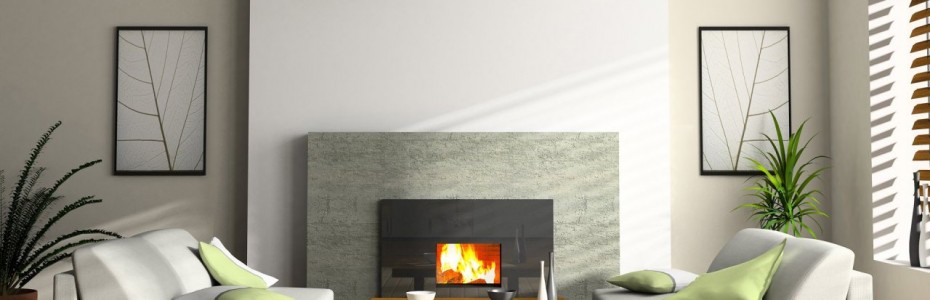
Go to Blogger edit html and find these sentences.Now replace these sentences with your own descriptions.This theme is Bloggerized by Lasantha Bandara - Premiumbloggertemplates.com.

Go to Blogger edit html and find these sentences.Now replace these sentences with your own descriptions.This theme is Bloggerized by Lasantha Bandara - Premiumbloggertemplates.com.

Go to Blogger edit html and find these sentences.Now replace these sentences with your own descriptions.This theme is Bloggerized by Lasantha Bandara - Premiumbloggertemplates.com.

Go to Blogger edit html and find these sentences.Now replace these sentences with your own descriptions.This theme is Bloggerized by Lasantha Bandara - Premiumbloggertemplates.com.

This ottoman is made of water hyacinth, the design is simple with grey and white color, and it looks modern.
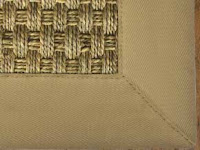
Sisal
Is extracted from the Agave sisal plant. It contains tough fiber that add to its durability. The fiber versatility offers a wide range of use. This natural anti-static, sound-absorbing, flame-retardant, long-lasting fiber makes it an ideal product for your home. Colors for this material can range from a pale yellow to a creamy white.
SeagrassSeagrass can be recognized by its grassy, hay-like scent and coloring which dissipates over time. Seagrass has a non-porous surface that gives it a naturally smooth texture. Its rigidity gives it natural durability. Colors range from sage green hues to olive-like shades.
Mountain Grass
These plants are found in the high altitude slopes of the Pacific Continent. The grasses rigidity and thickness allow it to take on a wood-like appearance.
Rattan/ bamboo
This can be found in tropical region. It's woody material and like any other material of its kind, the surface is vulnerable to scratching and chipping by sharp objects.

Centuries ago around 1790-1900 people had many layers of mattress on their beds; they needed bed step to get onto the bed. Bed steps were made crudely made and hidden beneath the bed. But from 1790 the modification of bed step were improved, became commodes, covered with carpet, and decorated with carving. It became more significant as decorative furniture.


1790-1830: Generally 3 steps, the lowest as platform base and the upper steps formed as chamber pot with hinged lids. Sometimes a bidet was fitted in the upper step. Legs were short, either square sectioned and tapering, splayed, sabre or turned.
1830-1900: Generally 2 steps only. Most were rectangular form box with broad stumpy turned legs.
Mahogany, satinwood or oak were the common used material. The finishing was wax polish.


